How Kashef Detects Missing PPE in 2.4 Seconds: Before Any Incident Occurs
A Riyadh contractor moved from 71 percent to 96 percent PPE compliance in one month. Not by hiring more safety officers. Not by increasing penalties. By deploying Kashef, HOSN's AI vision platform, across three active construction sites and letting the system detect every violation the moment it happened.
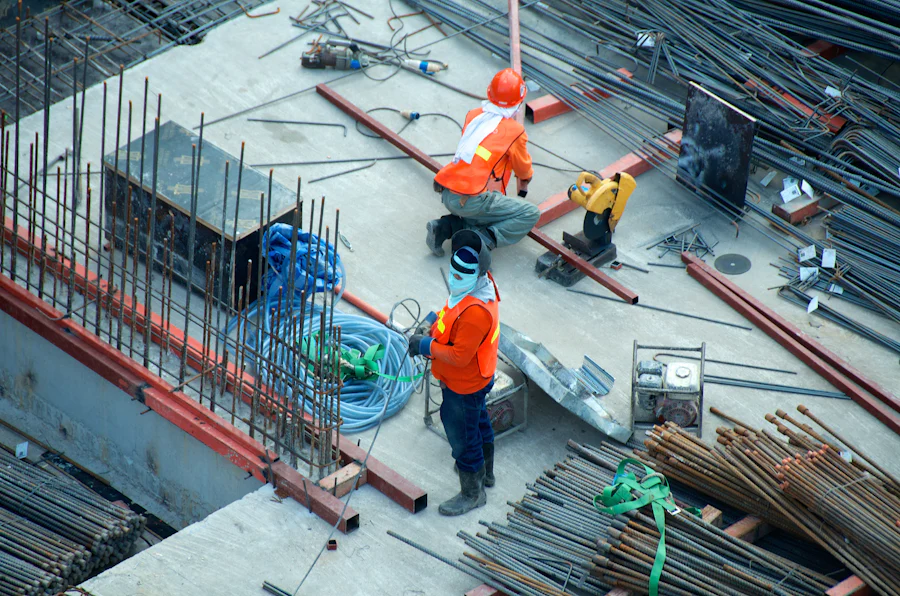
In most construction environments, PPE compliance monitoring works the same way: a safety officer walks the site, spots violations, and issues warnings. The problem is that a safety officer can only cover one zone at a time. Violations happen constantly in the gaps between rounds, and no one catches them.
The result is a safety record that reflects what was caught, not what actually happened. And the liability exposure that comes with it grows silently, incident by incident.
What Kashef Detects and How It Works
Kashef's PPE detection agent uses a multi-class vision model trained on hundreds of thousands of annotated images from real construction, industrial, and logistics environments. The model classifies each detected person in the camera frame against a configurable PPE checklist and flags any person who enters a defined zone without the required equipment.
Each camera zone has a defined PPE requirement. When Kashef detects a person entering that zone, it runs a classification pass on the detected figure within 2.4 seconds. If any required item is absent, a real-time alert is sent to the designated supervisor via SMS, app notification, or the HOSN dashboard, along with a timestamped screenshot of the violation.
The 30-Day Case Study: Riyadh Construction Site
The contractor had three active sites, 380 workers, and an existing camera network. Before Kashef, the safety team ran manual walkthroughs twice per shift. PPE compliance was self-reported. Actual violation rates were completely unknown.
Why Detection Speed Matters: The Liability Calculation
The 2.4 second detection window is the operational difference between prevention and documentation. When a violation is detected in real time, a supervisor can intervene before an incident occurs. When it is discovered after the fact, the only thing available is a record of what went wrong.
For companies operating under Saudi occupational safety regulations, and particularly for contractors working on government or ARAMCO-adjacent projects, documented PPE violations create direct financial and legal liability. Kashef's automated violation log also serves as an audit trail that demonstrates active due diligence to regulators and insurers.
PPE compliance improved from 71 percent to 96 percent not because Kashef punished workers. It improved because certainty of detection changed the calculation for every worker on site. When every violation is caught automatically, violations become rare. The system creates accountability without confrontation.
See What Your Sites Are Missing Right Now
HOSN will connect Kashef to your existing cameras and run a 48-hour compliance audit showing you your real PPE violation rate before any commercial conversation.
Request a Safety Audit